pre/vcpre /vc
← All ecosystem hubs

Abuja · Nigeria

A market to understand before you enter.

This page is an orientation brief for a partner-led startup immersion. It is not investment, legal, tax, immigration, or government advice.

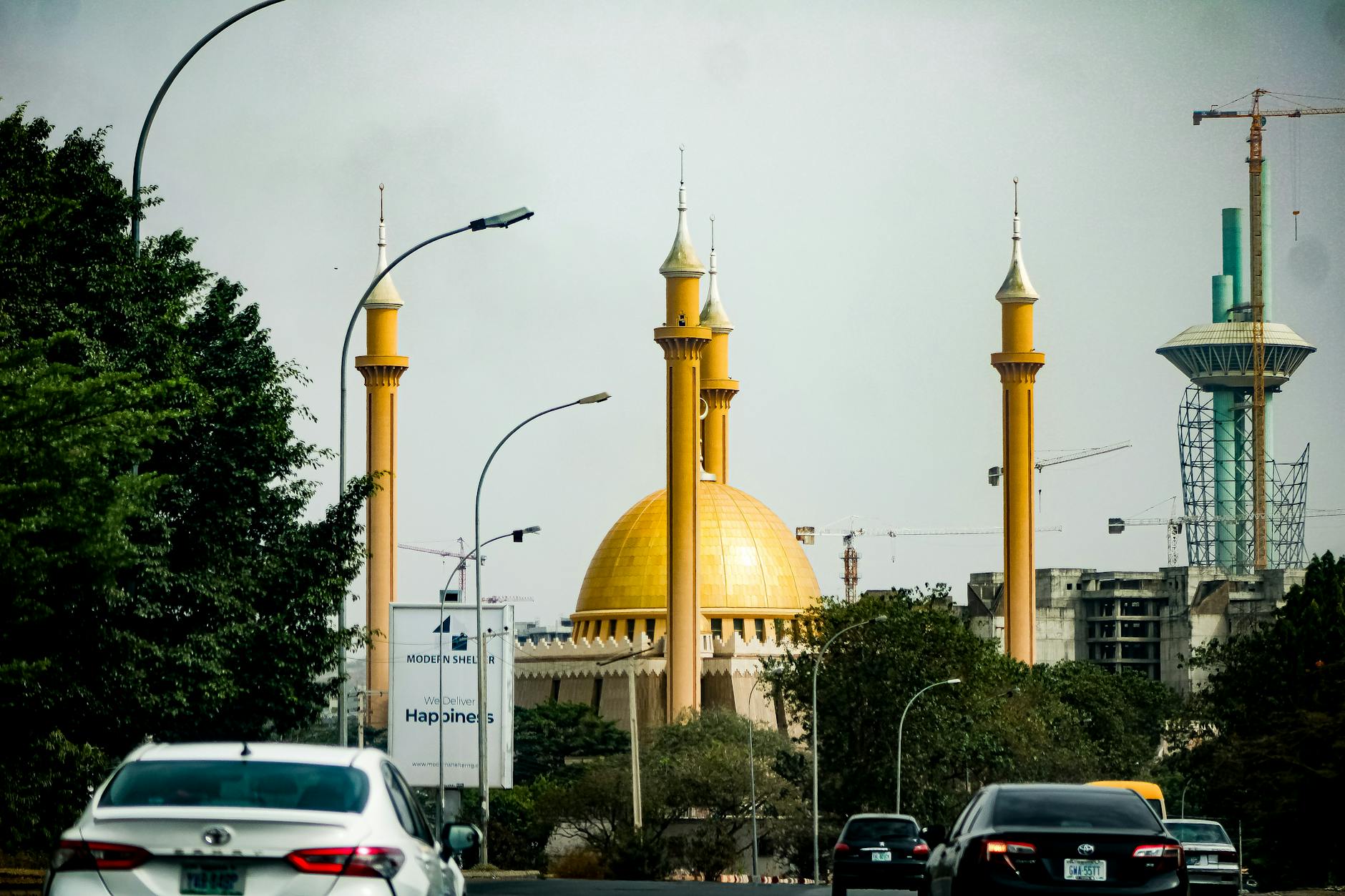
A bustling city street in Abuja featuring the iconic National Mosque and cars in traffic.
Photo by Blessing Niniola on Pexels

Economic context

Approximate GDP

≈ US$250bn nominal GDP (World Bank indicator; latest published estimate). Confirm the latest World Bank series and local economic indicators before using this figure in a decision.

CIA World Factbook, GDP at purchasing power parity: $1.318 trillion (2024 est.).

World Bank GDP indicator

Startup ecosystem

What to validate

Large, dense startup market with major fintech, commerce, media, and developer communities.

There is no single authoritative startup census. Use current partner intelligence, founder interviews, public databases, and targeted search to validate companies, funding, talent, and institutional support.

Main sectors

financial servicesentertainmentcommerceenergyagriculturelogistics

Agriculture

20.4% (2024 est.)

Industry

29.6% (2024 est.)

Services

47% (2024 est.)

Country profile

Nigeria at a glance

Source: CIA World Factbook

Published estimates for the year stated in each figure. Verify against current national statistics before relying on them.

Capital

Abuja

Population

244,344,065 (2025 est.)

Median age

19.4 years (2025 est.)

Area

923,768 sq km

Government

federal presidential republic

Independence

1 October 1960 (from the UK)

Languages

English (official), Hausa, Yoruba, Igbo (Ibo), Fulani, over 500 additional indigenous languages

Urban population

54.3% of total population (2023)

GDP per capita

$5,700 (2024 est.)

GDP growth

3.4% (2024 est.)

Unemployment

3% (2024 est.)

Internet users

39% (2023 est.)

Exports

$57.536 billion (2024 est.)

Main exports

crude petroleum, natural gas, gold, fertilizers, cocoa beans (2023)

Export partners

USA 10%, Spain 9%, France 8%, Netherlands 7%, India 6% (2023)

Import partners

China 26%, Singapore 14%, Belgium 8%, India 6%, USA 4% (2023)

Climate

varies; equatorial in south, tropical in center, arid in north

Terrain

southern lowlands merge into central hills and plateaus; mountains in southeast, plains in north

Airports

50 (2025)

Railways

3,798 km (2014)

African Union context

African Union member state

AU Agenda 2063 is the continent’s 50-year strategic framework, built on seven aspirations and twenty goals covering inclusive growth, regional integration, and good governance.

The African Continental Free Trade Area (AfCFTA) is the AU’s flagship continental market integration initiative.